
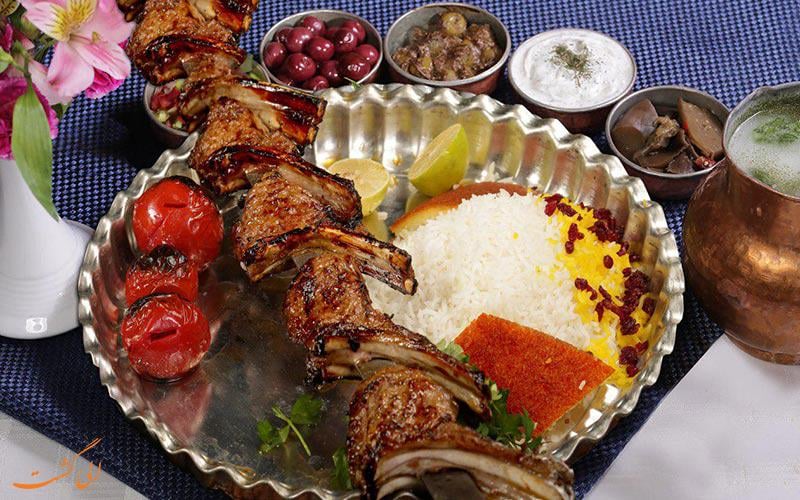
HAMADAN SHISHLIK RECIPE PERSIAN LAMB RIBS
A 3,000-year-old Persian kebab tradition from the ancient city of Hamadan, Iran. First introduced by Karim Hatem zadeh Hashemi in 1932.
by shihab1977
HAMADAN SHISHLIK RECIPE PERSIAN LAMB RIBS
A 3,000-year-old Persian kebab tradition from the ancient city of Hamadan, Iran. First introduced by Karim Hatem zadeh Hashemi in 1932.
by shihab1977
1 Comment
Ingredients (Serves 4):
For the Shishlik:
1 kg (2.2 lbs) lamb ribs with bone (12-14 ribs, cut into 2-3 rib pieces)
2-3 medium onions (300g)
0.5g ground saffron (1 tsp)
1 tablespoon fresh ground black pepper
1-2 teaspoons sea salt
1/2 cup (120ml) thick Greek yogurt (optional)
3 tablespoons fresh lemon juice
50g unsalted butter
2 tablespoons olive oil
Optional Enhancements:
1/4 teaspoon cinnamon
2-3 whole cloves
2 tablespoons pomegranate juice
1-2 garlic cloves, grated
Instructions:
Phase 1: The Ancient Marinating Ritual-in-advance 6-24 hours
1. Steeping Saffron Method Shochu on the Rocks: Grind saffron with 1/4 teaspoon sugar in a mortar. Add 3-4 tablespoons boiling water, immediately cover, and steep for 15-20 minutes. Add one ice cube for maximum color extraction – this breaks the cell walls of saffron and releases precious crocin compounds.
2. Cleaning of meat: Ribs should be washed under cold water. Soak them for 5 minutes in warm water mixed with 2 tablespoons of lemon juice to nullify the smell. Repeat and pat them completely dry with paper towels.
3. The onion secret – Never grate: Julienne onions into thin strips (never grate them!). Place in clean cloth and squeeze to remove excess water-onions should be moist but not dripping. The enzyme action begins here.
4. Working the magic of the marinade: Brew saffron, then mix in with julienned onions, yogurt, 1 tablespoon olive oil, 1 tablespoon lemon juice, and freshly ground black pepper in large bowl.
5. Massage technique: Add ribs in the marinade, massage by hand (for 5 minutes). This pushes onion enzymes deep inside the meat fibers. Wrap in plastic and refrigerate for at least 6 hours; 12-24 hours is ideal. Flip the meat every 2-3 hours for uniformity in marination.
Phase 2: Preparation of Fire – The Sacred Flame (30 minutes in advance)
6. Building the Perfect Fire: Light natural charcoal and let it wait for about 20-30 minutes until it is uniformly white-gray without visible flames. It should look like embers-so you should be able to hold your hand above it for about 5 seconds without burning.
7. Golden kebab sauce: Melt butter in a pan; mix in the remaining brewed saffron and 2 tablespoons lemon juice. Keep it aside for basting.
Stage 3: The Meat Preparation- Ancient Tenderizing
8. Room temperature rule: Remove meats from the refrigerator 30 minutes before cooking. Cold meat burns on the outside while remaining raw on the inside – a catastrophic mistake.
9. Gently pound: Use smooth meat mallet to gently pound the meat portions, not the bones. This breaks fibers and tenderizes without tearing. The meat has to be a bit flattened.
10. Skewering mastery: Thread flat metal skewer through the middle of two rib bones. The meat should rest firmly and not revolve on the skewer.
Phase 4: The Symphony of Grilling (15-20 minutes)
11. Fire up the grill: With ribs skewered, think medium-heat charcoal, which will allow distance – meat about 15cm above coals.
12. Turning ritual: Flip skewers every 3-4 minutes, basting liberally with the sauce from the kebab every time you do. Check for golden-brown color and meat juices to start bursting through.
13. Salt timing – The golden rule: Salt ONLY in the last 5 minutes of cooking. Salt applied too early draws moisture out and makes meat tough – a taboo.
14. The piercing test: Insert knife tip into meat. Clear juice-clearly done, pink juice-medium, red juice-raw. The recommended internal temperature is 63°C (145°F).
15. Resting: Remove from heat and let rest 5 minutes covered with foil to let juices redistribute. The Persians say the meat talks to itself.
Stage 5: The Royal Presentation
16. Final blessing: before serving, brush hot shishlik with fresh butter for gloss and extra unctuousness.
17. Serve Traditionally: On heated white platter, with saffron rice to one side, grilled tomatoes along edges, fresh sangak in basket and small bowls of sumac and pickled garlic.
Chef’s Note: This recipe represents a culmination of 3,000 years of Persian wisdom in cooking from Hamadan. The overnight marinating is not just for tradition; it is science. Enzymes in onions really break down meat fibers into tenderness that no amount of cooking could do. Each step has been fine-tuned by generations. The result is lamb so tender it falls off the bone, with flavor that will reside in memory for years to come.
Nosh-e jan! (Good appetite! in Persian)