
I had dinner at YINTAO and came away genuinely impressed. In my opinion, it is one of the very few real reference points for Chinese fine dining in New York, not just because of the Michelin star, but because of the philosophy behind the restaurant and how clearly that philosophy is expressed throughout the experience. After speaking with Chef Emily Yuen and with the owner, it became even more apparent to me that YingTao is built around a serious idea: presenting Chinese cuisine in a refined, contemporary fine dining format without stripping away its identity. I went in with very high expectations, and I’m happy to say the experience fully lived up to them.
What I appreciated most is that the food never felt “Asian-inspired” in the vague sense. The flavors were recognizably Chinese to me, and that was important. I found myself thinking more than once about dishes and flavor structures I’ve had in dim sum restaurants in Chinatown, but here everything was more polished, more elegant, and more technically precise, both visually and on the palate. That, to me, is exactly what a restaurant like this should do.
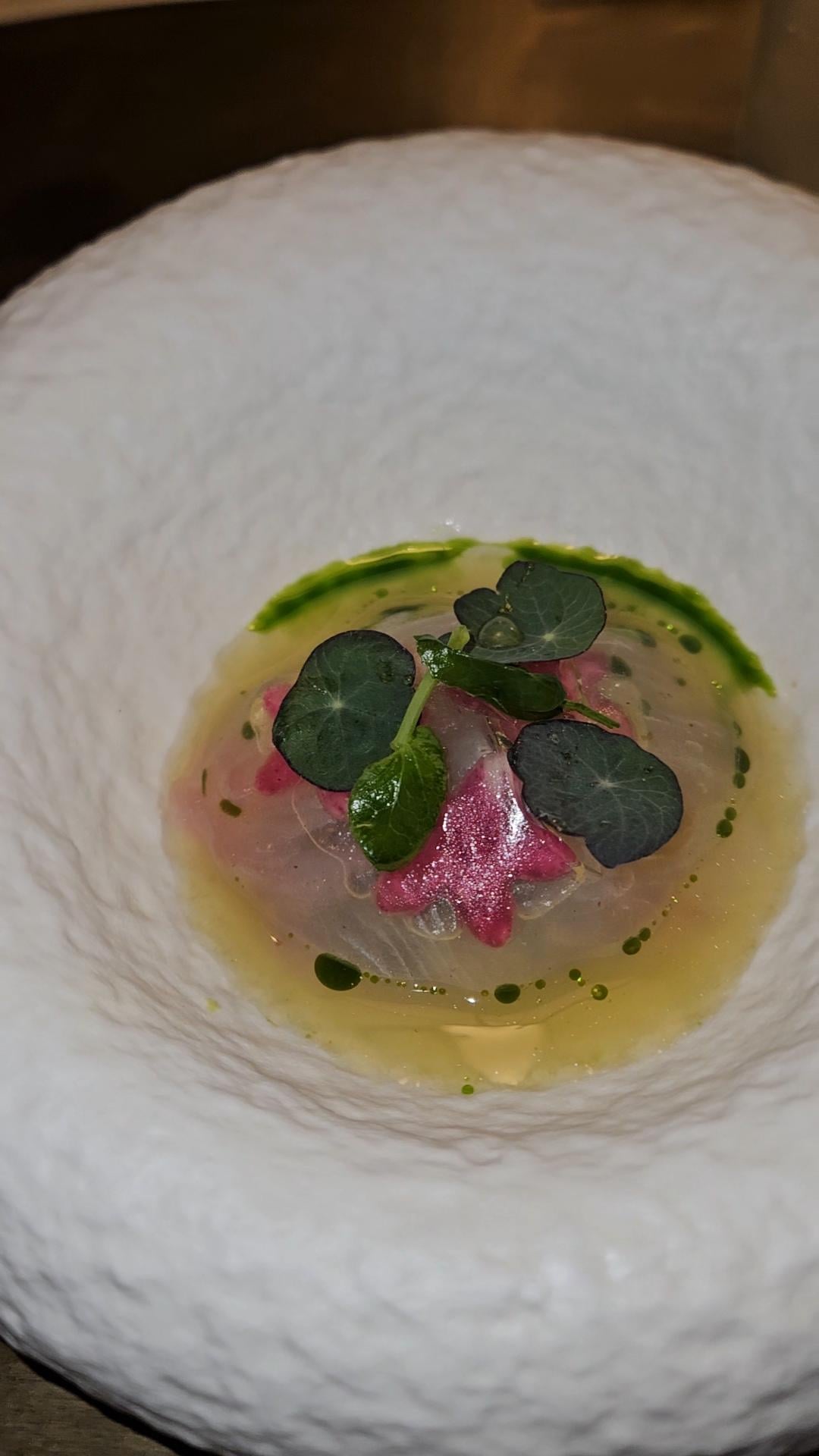
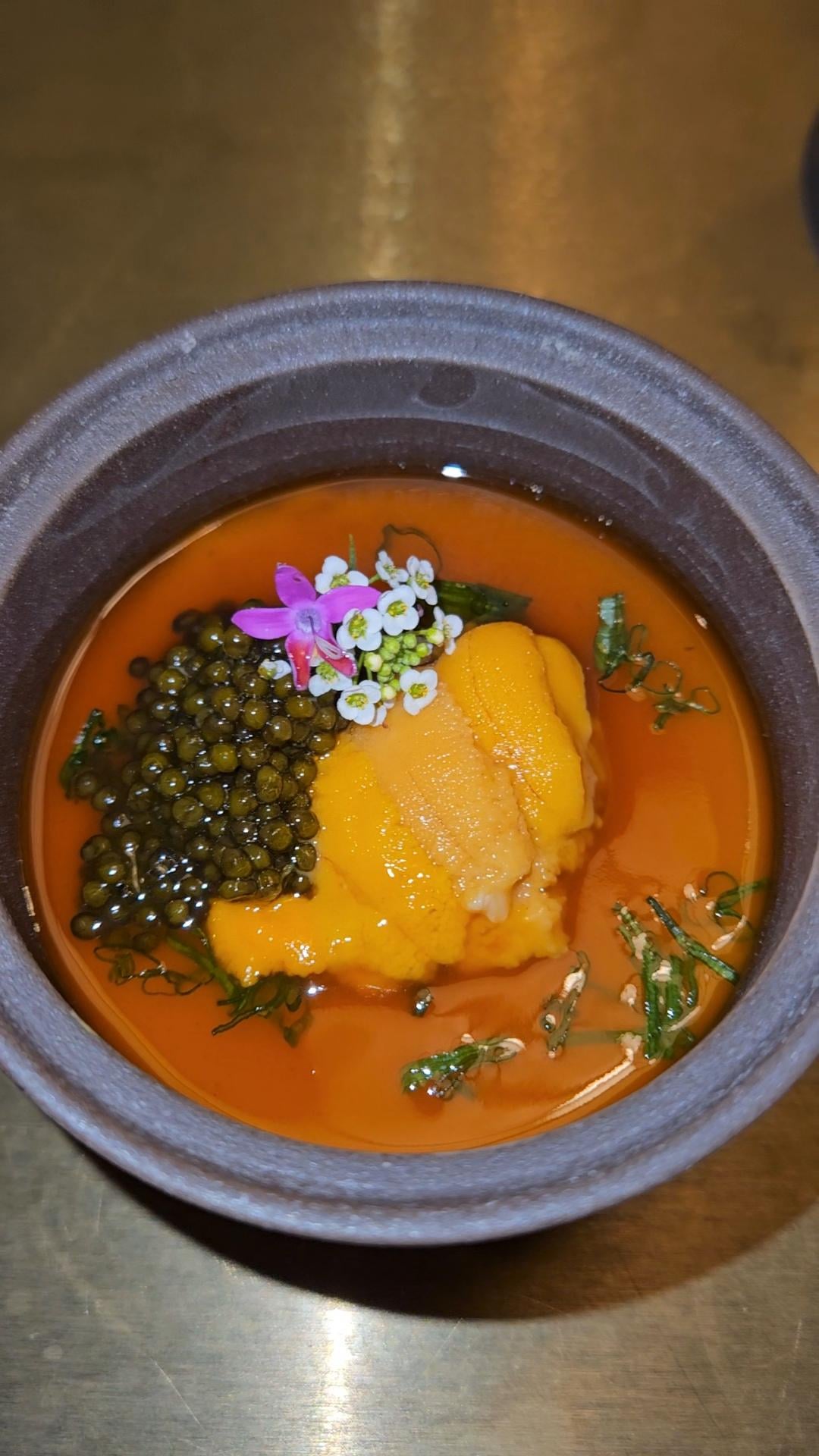
The tasting menu was very well composed from start to finish. The fluke was a smart opener: refreshing, delicate, and clean, the kind of first course that wakes up the palate without trying to overwhelm it. Then came the egg custard, and this was one of the strongest dishes of the evening for me. I added the caviar supplement, which made an already excellent dish feel even more complete. The custard was packed with umami, full of satisfying textures, and beautifully layered. What I loved was that every spoonful felt slightly different, with the various seafood elements creating a lot of complexity without ever becoming heavy.
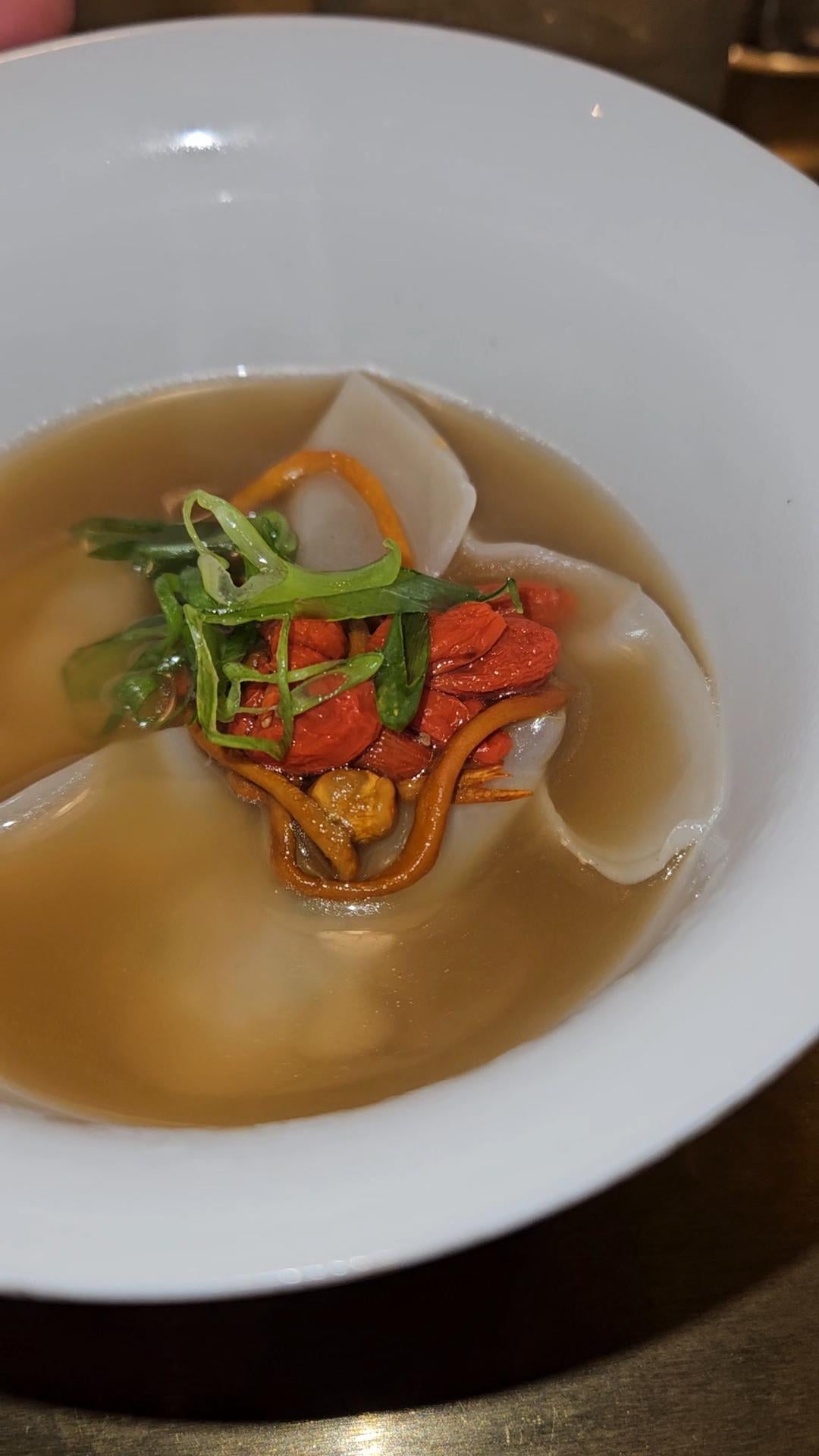
The wonton course was probably the most comfort-driven dish of the menu, and I mean that in the best possible way. It was deeply satisfying. The filling was excellent, and the superior stock was beautifully made: flavorful and refined, but never so aggressive that it covered up the dumpling itself. It was one of the clearest examples of what this restaurant does well: taking something rooted in a familiar Chinese vocabulary and elevating it without losing the soul of the dish.
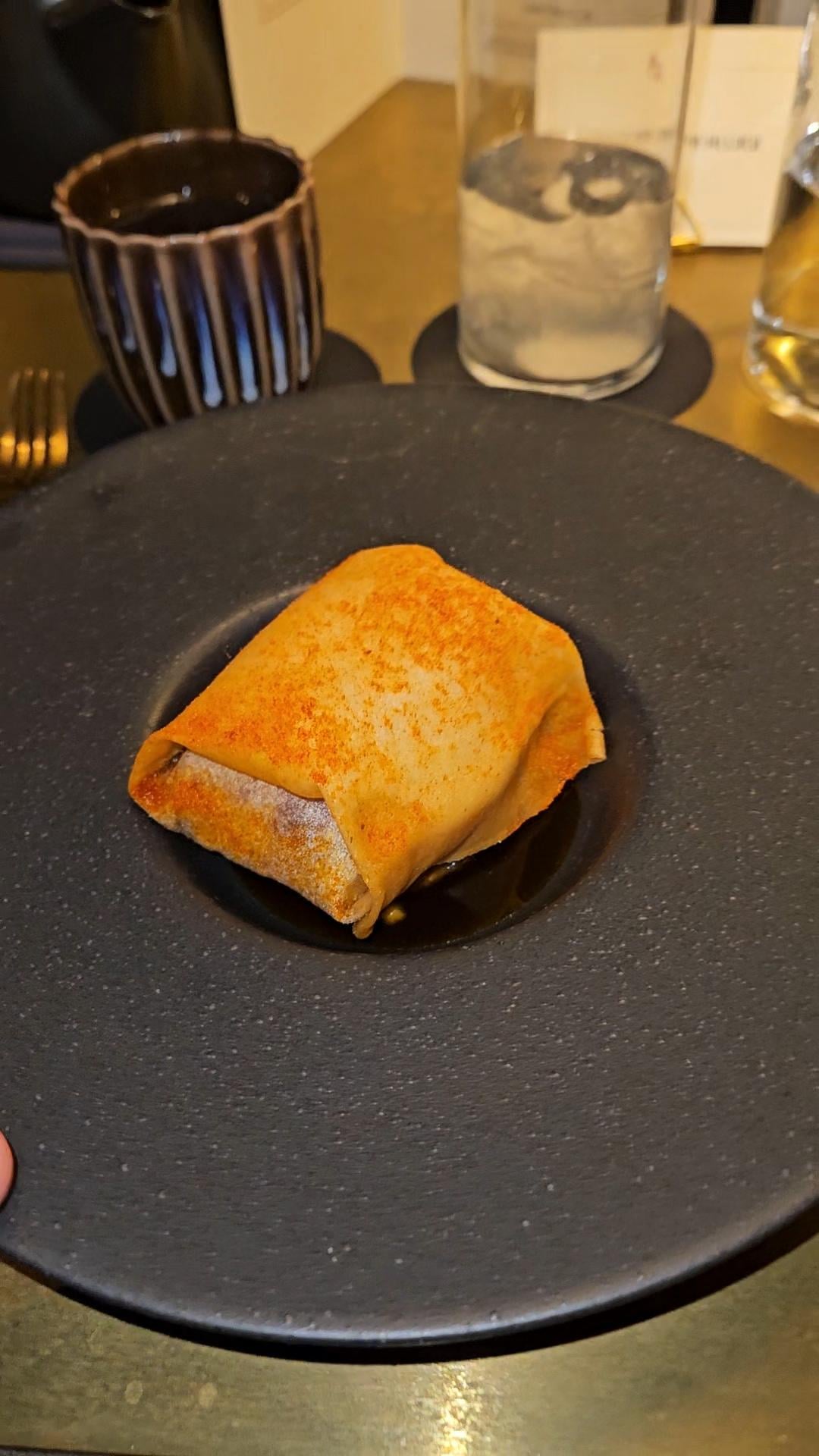
My favorite course of the night was definitely the black cod. That was the highlight of the meal for me. Conceptually and technically, it was the most exciting plate of the evening. I loved the use of the aged vinegar gastrique, which brought in a French fine dining technique, but in a way that still felt coherent with the overall identity of the restaurant. What really made the dish stand out, though, was the spring roll soufflé element. The fish was enclosed in it and then fried so that the wrapper puffed up into this incredibly crisp shell. The contrast between the richness of the cod and that shattering texture was outstanding. It was the most memorable bite of the night.
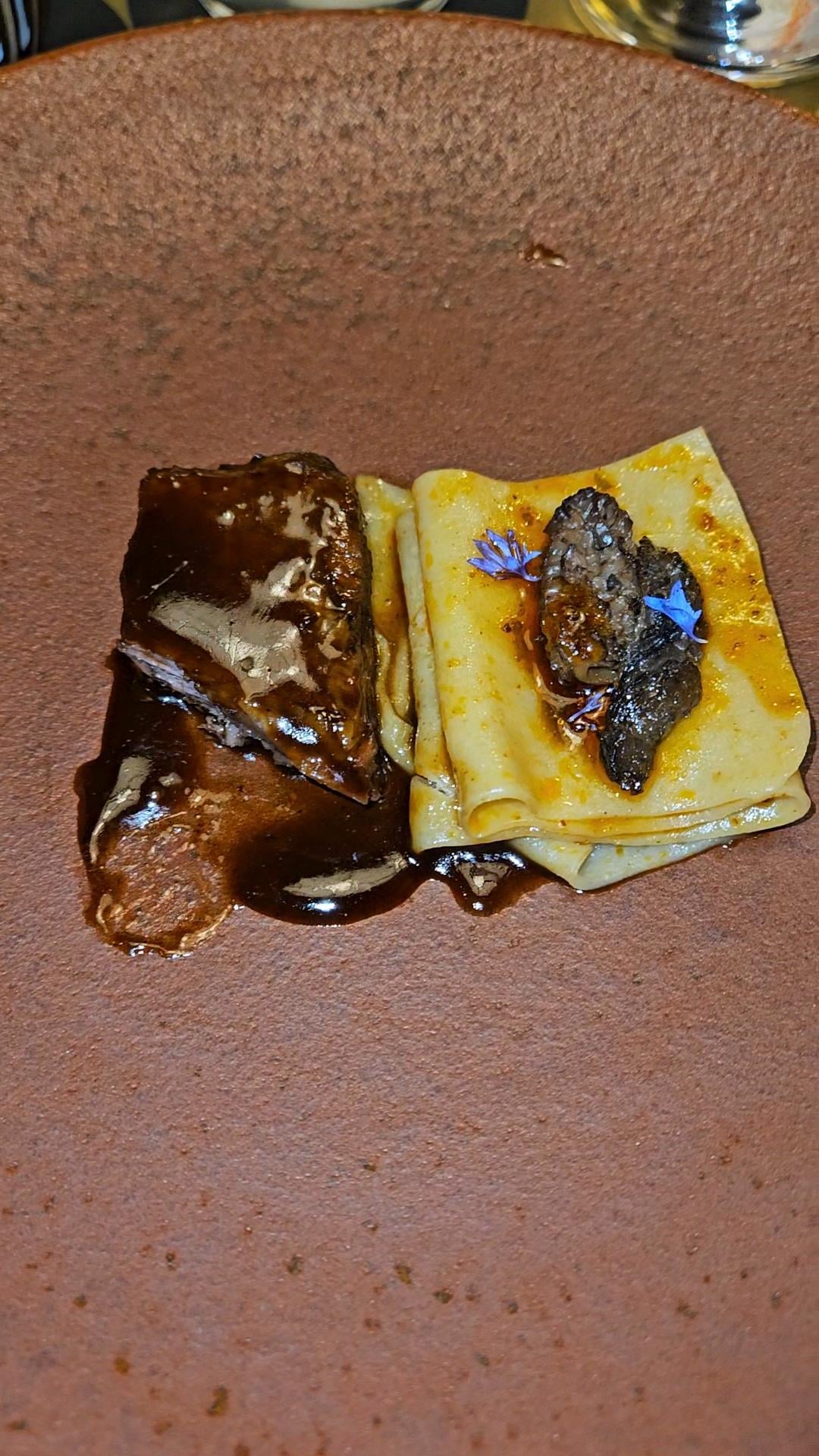
The short rib was also a very strong dish, rich and satisfying, with a lot of depth. The only small issue I had during the meal came here. I noticed a bit of a temperature difference between the beef and the hand-cut noodles, with the noodles feeling noticeably cooler. It did not ruin the dish at all, and overall I still thought it was very good, but it slightly reduced the impact of the course for me. That said, the idea behind it was strong and the flavors were still excellent.
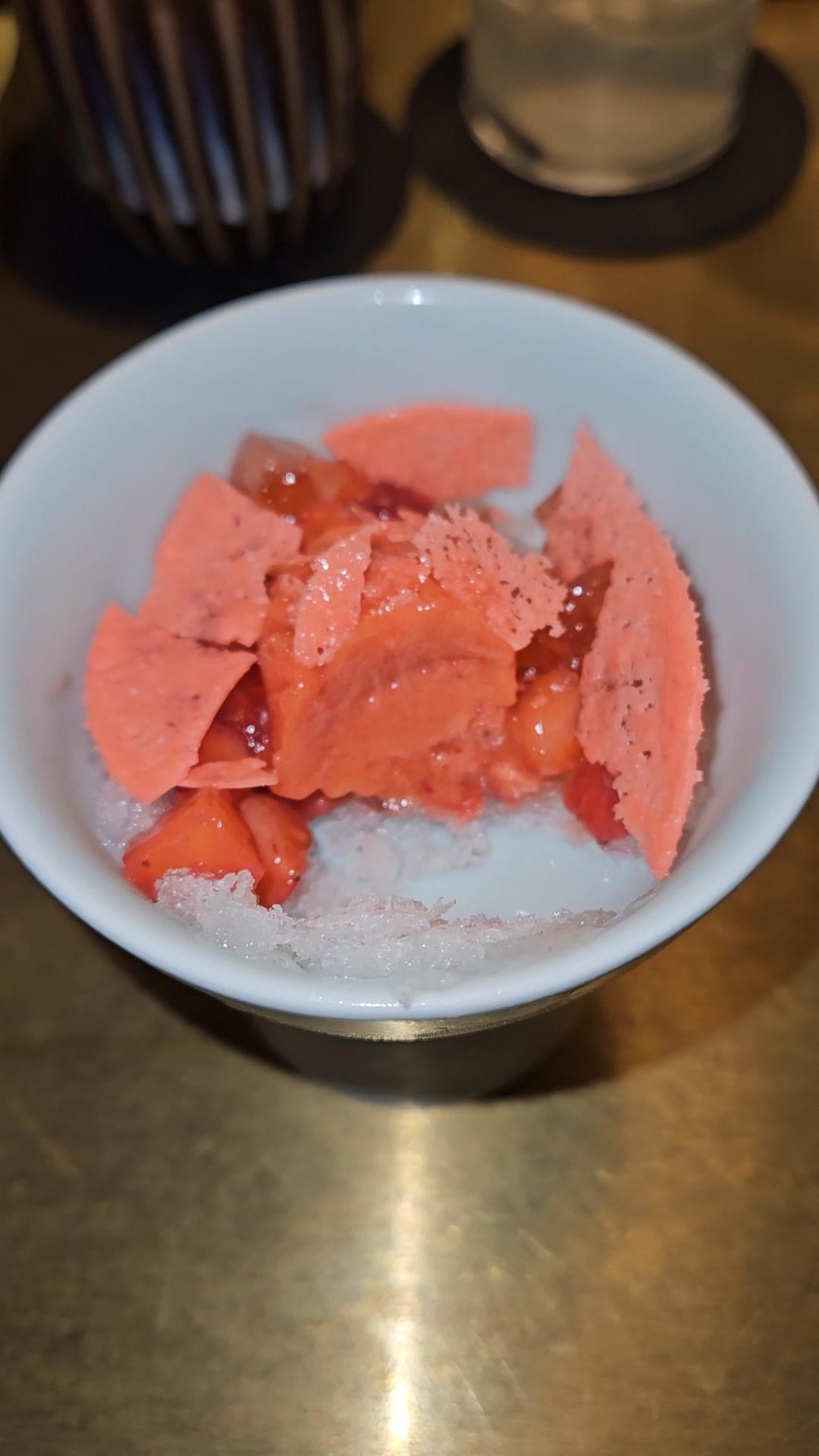
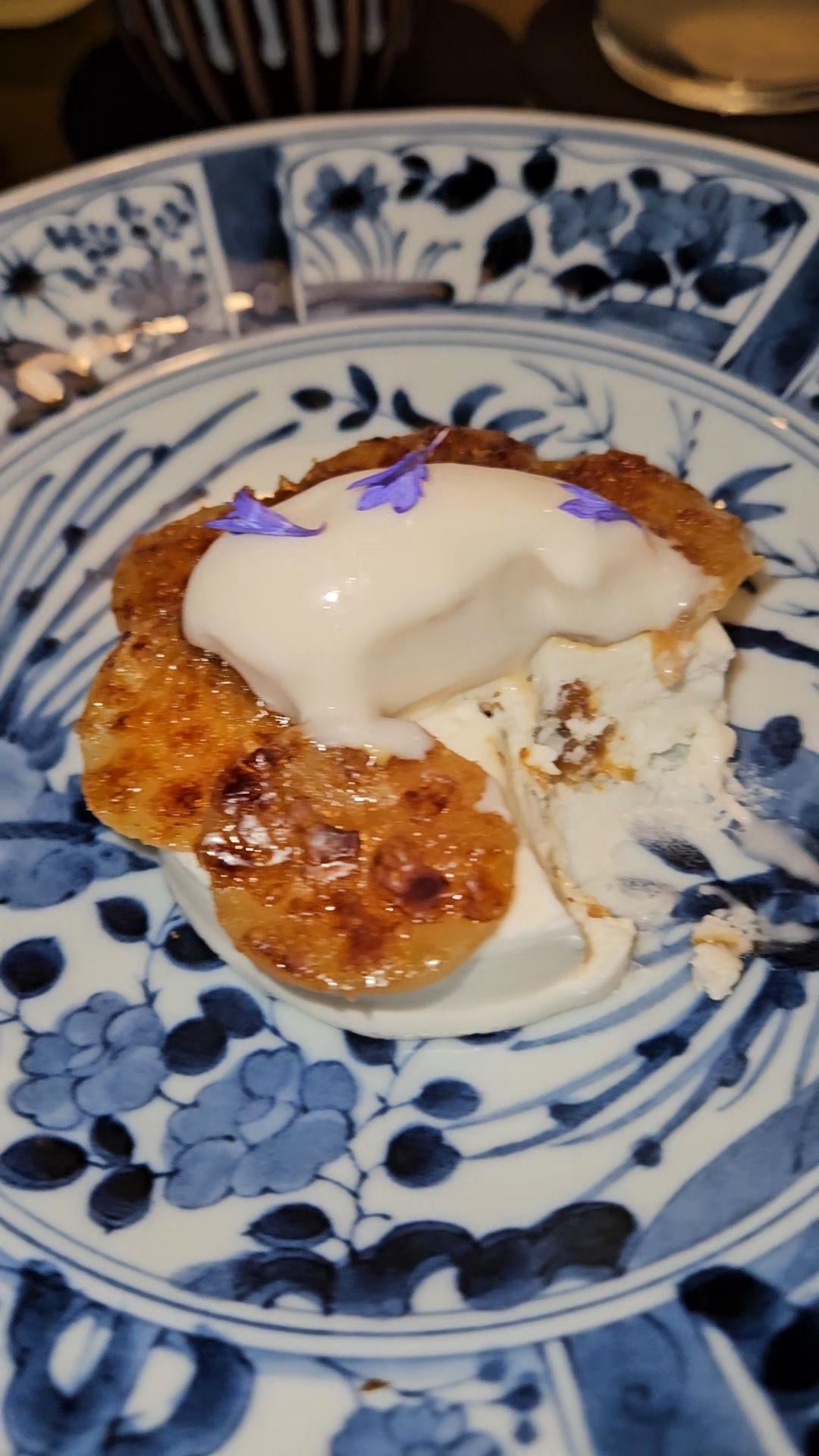
The strawberry pre-dessert was exactly what it needed to be: refreshing, useful, and well timed. It reset the palate without feeling lazy or forgettable. The final dessert, the nian gao, was also very interesting to me. It was explained in the context of Lunar New Year, and that cultural framing added a lot to the experience. It is not the kind of dessert that would feel “normal” if you come from a European fine dining background, but that is exactly why I appreciated it. It felt rooted in something real rather than designed to imitate a Western ending.
Service was informal, but very effective. It is not fine dining service in the classic European sense, and that is something people should know going in. It is less formal, a little more detached in the right sense, and much more relaxed than what I am used to in high-end Italian or French restaurants. But it worked. The staff were courteous, efficient, and very willing to engage when they sensed real interest from the guest. I especially appreciated the small card waiting for me at the table that said “Welcome + your name.” That kind of detail seems minor, but it immediately personalizes the experience and sets the right tone.
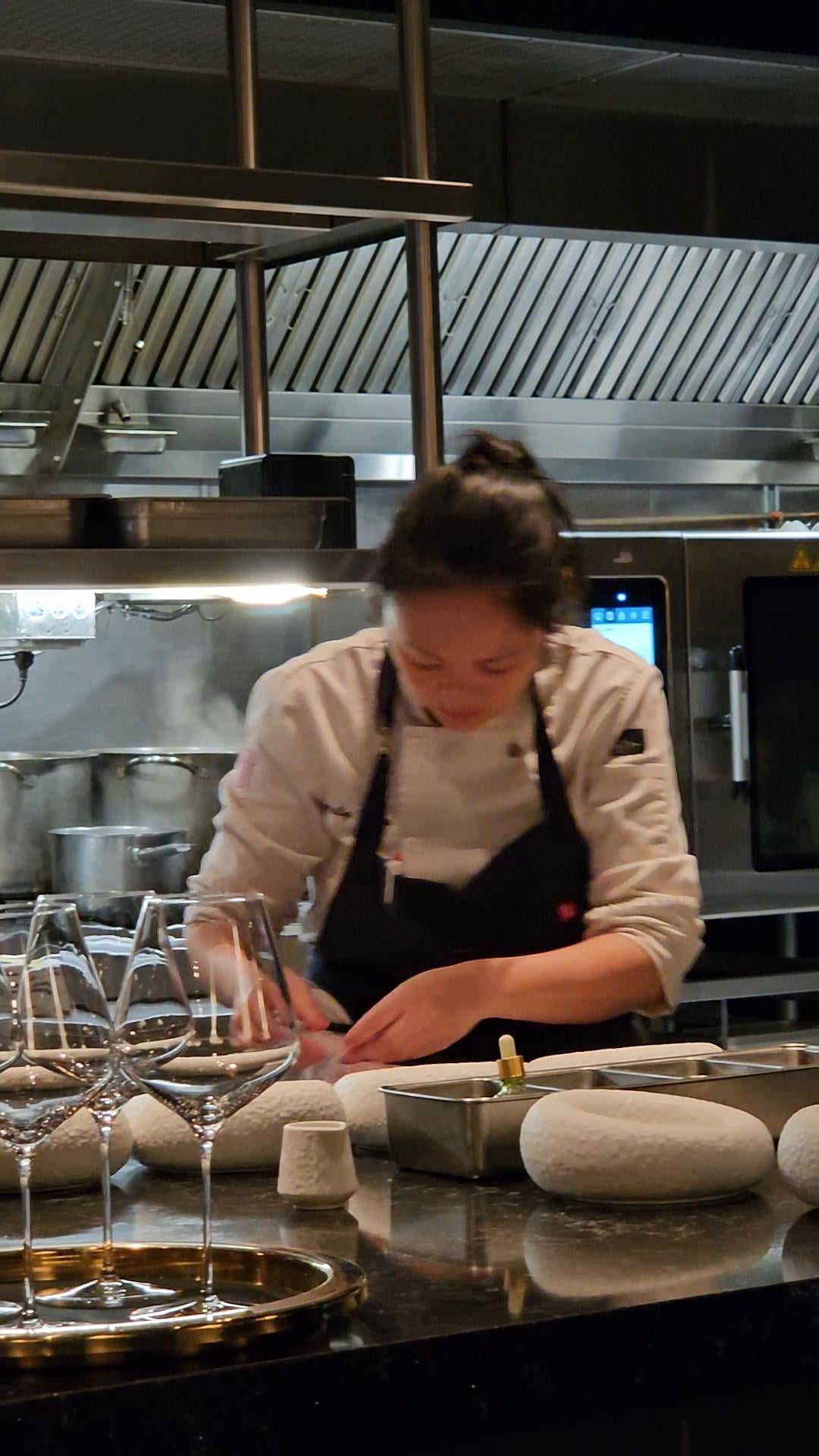
I also liked the room a lot. The atmosphere is elegant and contemporary without trying too hard. The back section is a little dark, but I assume that is intentional and part of the softer mood they want to create. One of the best aspects of the restaurant is the open kitchen and the counter seating facing the chefs. Being able to watch the brigade work, and especially to see Chef Emily Yuen plating, added a lot to the experience for me personally. If you are interested in the mechanics of fine dining, that part alone is fascinating.
Overall, YingTao absolutely delivered on what I hoped it would be. It felt thoughtful, technically strong, and most importantly, grounded in a real culinary point of view. For me, that is what separates a serious fine dining restaurant from one that is just expensive and polished. On my personal scale, this is a 9.25/10 experience. I’m comfortable giving it that score because I really do think it is unique in its category and one of the clearest benchmarks for Chinese fine dining in New York right now.
by Mountain-Platform135